Author: Petra

  • Selkies and the Sorrow of the Sea

    Selkies and the Sorrow of the Sea

    On the islands of the far north, in Orkney, Shetland, the Faroes, and along the coasts of Ireland and Scotland, people told stories about the seal folk. These were creatures who lived as seals in the water and could shed their skins to walk on land in human form. They came ashore on certain nights to dance on the sand. If a man found a discarded sealskin and hid it, the woman who owned it could not return to the sea. She would have to follow him home.

    That is the core of the selkie legend, and it is one of the most quietly devastating love stories in all of folklore. No monster attacks from the deep. This is a tale of a marriage built on a stolen skin, and of the sea calling to someone who cannot answer.

    The stolen skin

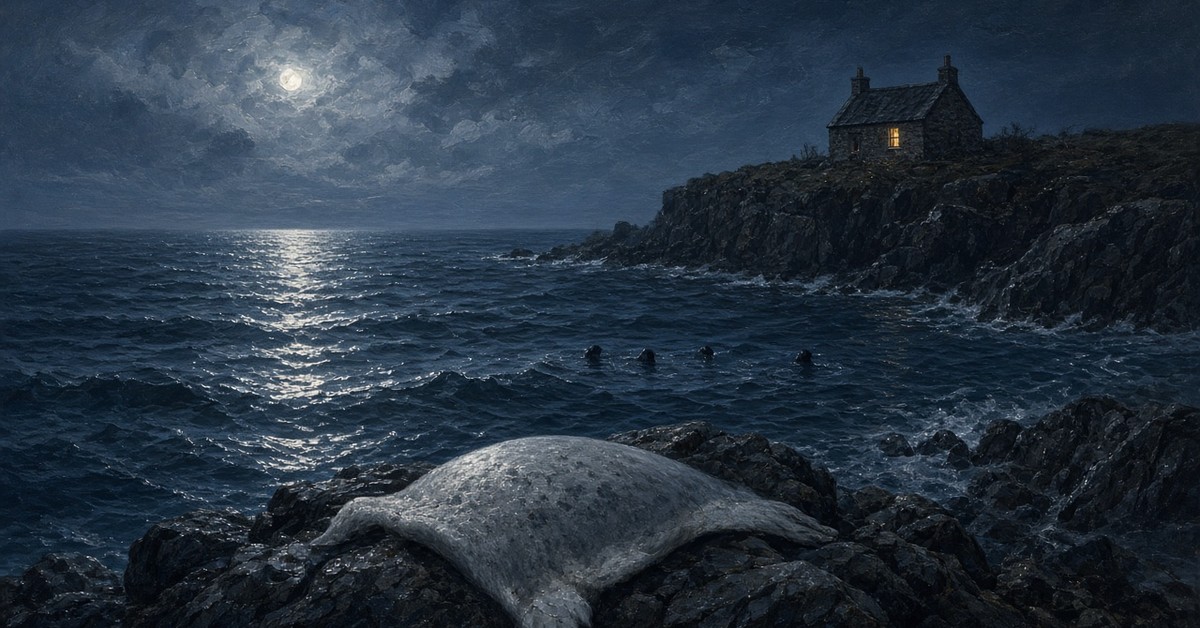
    In the most common version, a fisherman walking the shore at night sees a group of seal women dancing, their skins piled on the rocks. He takes one and hides it. When the others put on their skins and slip back into the water, one woman is left behind, searching. He offers her shelter. She has no choice but to accept.

    She becomes his wife. She keeps his house and bears his children. By many accounts she is a good wife, quiet and capable. Yet she is often seen standing at the shore, looking out at the water. Sometimes a large seal comes close to the rocks when she is there, and the two seem to speak.

    Then one day, often through a child who finds the hidden skin and asks innocently what it is, she recovers what was taken. She goes to the sea without delay. In some versions she pauses to look back at her children. In others she does not. She never returns, though her children may see a seal watching them from the waves for the rest of their lives.

    Love without consent

    What makes the selkie story so haunting is its moral complexity. The fisherman may love his wife. She may come to care for him and certainly loves her children. Yet the entire marriage rests on a theft. She stays because she cannot leave. Everything good that grows from the union is rooted in that original wrong.

    The tellers of these tales seem to have understood this. The selkie wife’s departure is rarely presented as a betrayal. It is presented as inevitable. The sea is where she belongs, and no amount of kindness on land can change that. When she finds her skin, the story treats her return as the restoration of something that should never have been broken.

    For modern readers, this gives the legend a striking edge. It is a love story that refuses to excuse possession. It asks whether love that depends on keeping someone captive is love at all. It gives no easy answer, and that is part of its power.

    The selkie husband

    The legends also include male selkies, and their stories carry a different charge. In parts of Orkney and Shetland, it was said that a woman who wished for a selkie lover could summon one by shedding seven tears into the sea. The seal men were described as handsome and gentle on land, and they were said to visit lonely or unhappy wives.

    These stories often have a darker side. A selkie lover might father a child and later return to claim it. A well-known ballad from the northern isles tells of a woman nursing a child whose father turns out to be a seal man, and of a grim prophecy about how father and son will meet their end. As with the selkie wife, the encounter brings something precious and leaves a lasting grief.

    The pull of two worlds

    At the heart of every selkie story is a being caught between two worlds. On land, the selkie can love and be loved, build a home, and raise children. In the sea, the selkie is whole and free. The two worlds cannot be joined. One must always be given up for the other.

    This is why selkie legends resonate with readers who love dark romance. They are about desire that cannot be fully satisfied, about belonging divided against itself, and about the cost of choosing. The selkie’s longing for the sea is part of who she is, and no one can correct it. Any love that asks her to forget it asks her to become less than herself.

    Many readers recognize something of their own lives here. People leave homelands, cultures, and families for love, and something in them goes on looking toward the shore. Others stay where they are and feel the absence of a life they did not choose. The selkie gives that divided longing a shape.

    The sea as a presence

    The selkie legends are inseparable from their landscape. They come from places where the sea is the center of life: islands where fishing put food on the table and where the water took husbands and sons with grim regularity. The sea in these stories is beautiful and indifferent, generous and deadly. It gives and it takes back.

    The seals themselves are part of that presence. Anyone who has watched seals on a northern shore knows how human their eyes can seem, how they lift their heads to look at people on the rocks, and how their calls carry across the water at dusk. It is easy to understand how people living beside them came to believe there was something more in those eyes.

    Why the legend lasts

    Selkie stories have been retold in novels, poems, songs, and films, and they continue to draw readers and listeners. Part of the reason is their beauty. The image of seal women dancing on moonlit sand, their skins glistening on the rocks, is unforgettable.

    But the deeper reason is their honesty about love. The selkie legend does not pretend that love conquers all. It admits that love can be built on wrongs, that it can coexist with captivity, and that some people cannot be kept no matter how much they are loved. It gives grief a place at the center of romance.

    For readers who want their love stories with shadows, the selkie offers something rare: a legend that holds tenderness and sorrow together without letting either one win. The wife at the window, looking out at the water, is one of the most lasting images in folklore. She loves her children. She cannot stay. The sea is always calling, and sooner or later she will answer it.
  • The Vampire as Lover: A Long History of Dangerous Desire

    The Vampire as Lover: A Long History of Dangerous Desire

    The vampire of folklore was not beautiful. In the villages of Eastern and Southeastern Europe, where the belief took its strongest form, the vampire was a corpse that would not stay in its grave. It was swollen, ruddy, and foul. It returned to trouble its own family, draining their strength, spreading sickness, and pressing on sleepers in the night. Villagers dealt with it by digging up the body, driving a stake through it, burning it, or burying it face down so it could not find its way back.

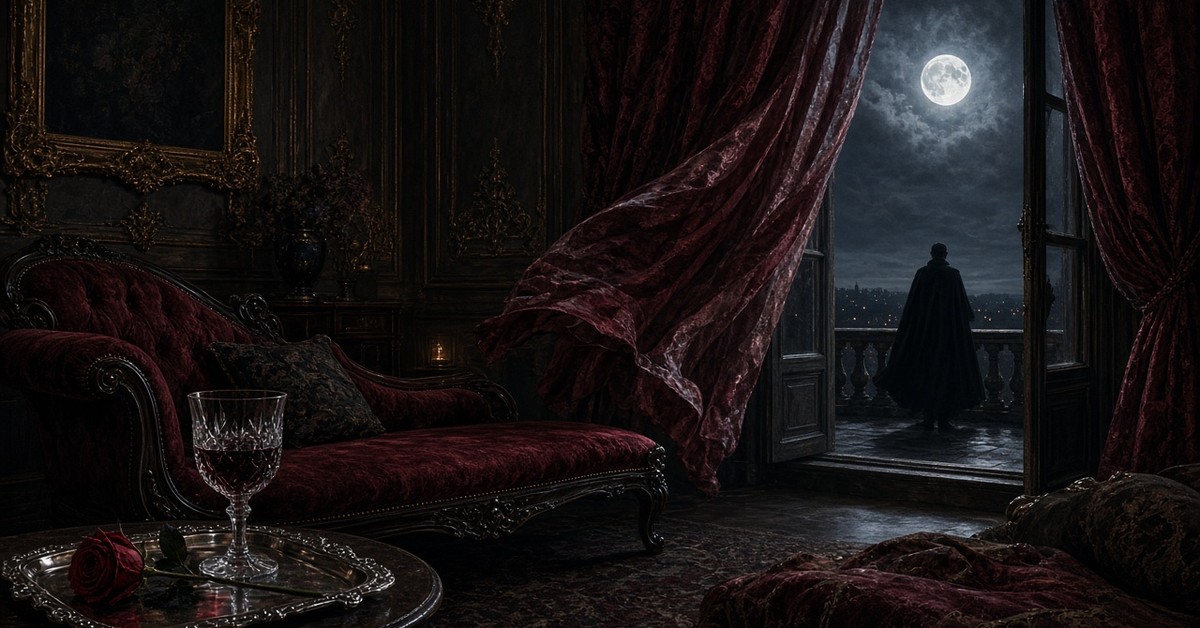
    Somewhere between those village graves and the modern bookshelf, the vampire became a lover. The change is one of the strangest in the history of monsters, and it tells us a good deal about what readers have wanted from the dark.

    From the grave to the drawing room

    The turn came in the early nineteenth century. In 1816, during the famous summer at the Villa Diodati on Lake Geneva, Lord Byron proposed that his guests each write a ghost story. Mary Shelley began what became Frankenstein. Byron’s physician, John Polidori, later produced The Vampyre, published in 1819.

    Polidori’s vampire, Lord Ruthven, was nothing like the bloated corpses of the villages. He was an aristocrat, cold, charming, and fatal to the women who drew near him. Many readers saw Byron himself in the portrait. From that point on, the literary vampire was a seducer. He moved in society. He chose his victims with care. His danger and his allure became the same thing.

    Carmilla and the intimate threat

    In 1872, Joseph Sheridan Le Fanu published Carmilla, a novella about a young woman named Laura and the mysterious guest who comes to stay at her family’s isolated castle. Carmilla is lovely, languid, and intensely affectionate. Laura is drawn to her and unsettled by her in equal measure. The story is frank, for its time, about the tenderness between the two women, and it treats that tenderness and the vampire’s hunger as tangled together.

    Carmilla matters because it moved the vampire’s threat inside the household and inside the heart. The danger is not an attack from a stranger in the dark. It is a slow, intimate draining by someone the victim loves. That idea, of love and predation sharing a single body, would shape vampire fiction for the next century and a half.

    Dracula and the fear of the stranger

    Bram Stoker’s Dracula, published in 1897, gave the vampire his most famous form. The Count is ancient, foreign, and immensely powerful. He crosses the sea to England and begins working his way into the lives of a respectable circle of friends. The novel is built from letters, diaries, and newspaper clippings, and it reads as a story of invasion.

    Yet even Dracula is threaded with desire. The scenes in which the Count’s brides approach Jonathan Harker, and the slow transformation of Lucy Westenra, are charged with a sensuality that the novel’s Victorian narrators can barely contain. Readers have long noticed that the book’s horror is entangled with what its characters are not permitted to want.

    The sympathetic vampire

    In the twentieth century the vampire began to speak for himself. Anne Rice’s Interview with the Vampire, published in 1976, told its story from the monster’s point of view. Louis is tormented by what he has become, grieving his lost humanity, and bound to a maker he both loves and hates. The vampire was no longer only the object of fear. He was a subject with an inner life, and his sorrow became as important as his hunger.

    This shift opened the way for the vampire romance as readers know it today. Once the vampire could be pitied and understood, he could also be loved without the reader feeling that the love was a mistake. The question was whether he could be reached, as much as whether he would be destroyed.

    Why the vampire seduces

    What makes the vampire so suited to romance? Part of it is immortality. A lover who has lived for centuries carries the weight of history. He has seen empires fall and loved people now long dead. To be chosen by such a being is to be singled out across time.

    Part of it is control. The vampire is always hungry, and the hunger is always aimed at the person closest to him. His restraint, when he shows it, becomes a declaration. Every moment he does not feed is a moment he chooses the beloved over his own nature.

    Part of it is transformation. The bite promises to change the beloved into something new, to lift them out of ordinary life and into the vampire’s world. That promise is frightening and seductive at once. It asks what a person would give up for love, and whether what they would gain is worth the price.

    And part of it is the bite itself, an act that has always carried a charge of intimacy. Writers since Polidori have understood that the vampire’s feeding mirrors desire. It requires closeness, surrender, and trust. It can also destroy.

    The shadow that remains

    For all its romance, the vampire has never fully shed its origins. Beneath the velvet and candlelight there is still the corpse in the village grave, the thing that returns to feed on its own family. The best vampire fiction keeps that memory alive. It reminds readers that the lover is also a predator, that immortality means watching everyone else die, and that the dark gift is a kind of death.

    That tension is what keeps the vampire alive on the page. A vampire who is merely charming loses his power. A vampire who is merely monstrous loses his appeal. The figure works only when both are held together, when the reader cannot quite decide whether to hope for the beloved’s rescue or for the beloved’s fall.

    Reading the undead

    Readers interested in the vampire’s history can trace the whole arc in a few books. Polidori’s The Vampyre shows the aristocratic seducer at his birth. Carmilla reveals the intimate, devouring love at the genre’s heart. Dracula gives the monster his full menace. Interview with the Vampire opens his inner life. Read together, they show a creature changing alongside the readers who feared and desired him.

    The vampire has outlasted every attempt to bury him. He returns in each generation with a new face and the same old hunger, because he speaks to something that does not change. People want to be chosen. They fear being consumed. The vampire is both of those feelings given a single, beautiful, terrible form.

  • Why Readers Fall for the Monster

    Why Readers Fall for the Monster

    The monster has always been a lover as well as a threat. Long before the paranormal shelves of modern bookstores, people told stories about women who married beasts, men who loved creatures from the sea, and brides who discovered that their husbands were something other than they seemed. The pairing of desire with the inhuman is not a recent fashion. It is one of the oldest stories we have.

    Readers today who seek out monstrous love interests are part of that long line. What draws them? The answer says a good deal about romance, about fear, and about the wish to be seen.

    The animal bridegroom and the serpent wife

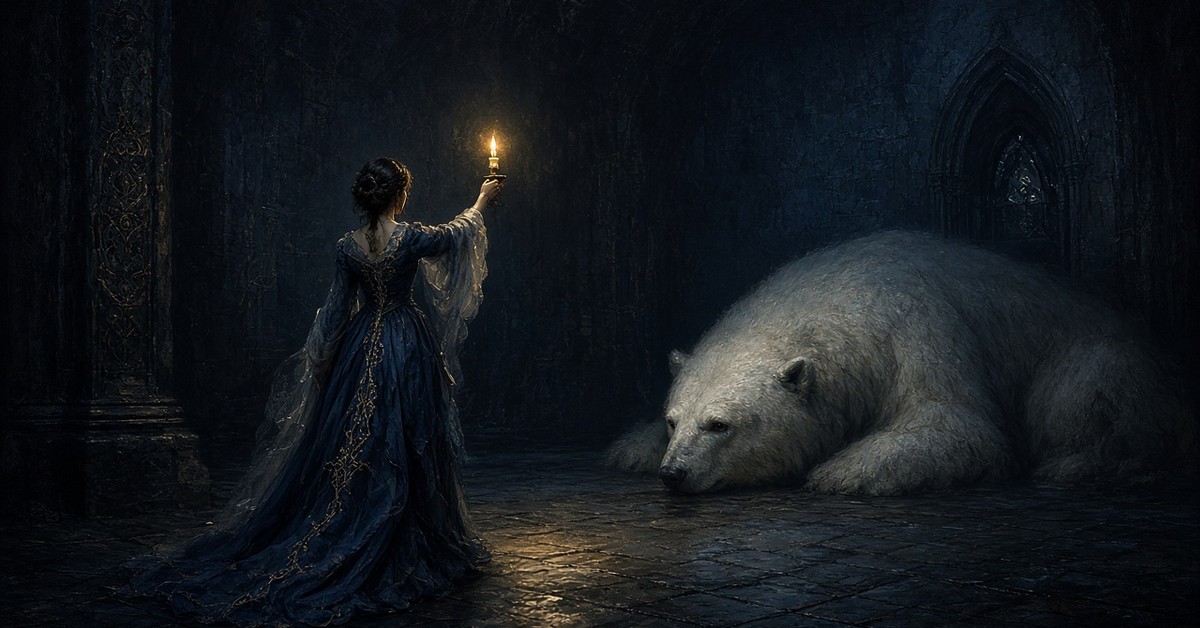
    Folklore across Europe is full of marriages to creatures. In the Norwegian tale East of the Sun and West of the Moon, a poor family gives its youngest daughter to a great white bear in exchange for wealth. He comes to her bed each night in the dark, and when she lights a candle to see his face, she loses him and must walk to the ends of the earth to win him back. Tales of serpent husbands, frog husbands, and hedgehog husbands follow the same pattern. A woman is bound to something she fears, and the story turns on what she learns about him.

    The medieval French legend of Melusine reverses the roles. A nobleman marries a beautiful woman on the condition that he never look at her on a certain day of the week. He breaks the promise, spies on her bath, and sees that from the waist down she is a serpent. She leaves him, and in many versions she takes the form of a dragon and returns only as a cry over the walls of the castle when one of her descendants is about to die.

    These stories pose a question that still drives monster romance today. What is the difference between appearance and nature, and can love bear to see both?

    The pleasure of difference

    A monstrous love interest is different from the people the reader meets in ordinary life. He may be immensely strong, very old, or bound by rules no human follows. He may perceive the world through senses we lack. That difference creates tension, and tension is the lifeblood of romance.

    When two people are alike, the obstacles between them have to come from outside. When one of them is a creature from another order of being, the obstacles are built in. Can they understand each other? Can they share a life? Is the difference between them something love can cross, or something it must accept?

    Danger held in check

    The monster is dangerous. That is the point of him. He could do harm, and the story knows it. What makes him compelling as a love interest is that he chooses not to, or struggles not to, or does so only in defense of the person he loves.

    This idea of restrained power runs through much of the genre. A creature capable of violence who holds himself back becomes, in the logic of the story, a figure of trust. He is far from harmless. The heroine is safe with him because he has decided she will be safe. The romance lies in that decision and in the cost of keeping it.

    Many people have learned to be wary of those who seem gentle and turn out to be cruel. A love interest whose danger is visible and declared can feel more trustworthy than one whose menace hides behind charm.

    The outsider who understands

    Monsters live at the edges. They are shunned, hunted, and misunderstood. Frankenstein’s creature, in Mary Shelley’s novel, is articulate and longing for companionship, and he becomes violent only after every human he approaches rejects him in horror. The Phantom of the Opera hides beneath the theater because the world above cannot bear to look at him.

    Readers who have felt like outsiders often recognize themselves in these figures. A monster who has been feared all his life knows what it is to be judged by the surface. When he finds someone who looks at him without flinching, the moment carries enormous weight, and the reader shares it. Many monster romances are, at their core, stories about being accepted in full.

    There is often a reversal as well. The heroine of a monster romance is frequently an outsider herself, someone who does not fit the expectations of her village or her family. She may be the only person able to see the monster clearly because she has spent so long being misread.

    Who is the real monster

    The best stories in this tradition turn the label around. The creature with fangs and claws proves loyal and capable of tenderness. The respectable humans prove cruel, greedy, or cowardly. The mob with torches is more frightening than the thing in the castle.

    This reversal makes an argument about where evil lives. It asks readers to look past appearance, rank, and reputation and judge by deeds. In a genre often dismissed as escapism, that is a serious moral position.

    The film The Shape of Water made the same point, giving its amphibious creature more decency than the government men who held him captive.

    Folklore’s many lovers

    Monster romance draws from a deep well. There are the selkies of the northern isles, the swan maidens of many cultures, the serpent husbands of Asian and European tales, and the wolf-men of medieval legend. There are revenants who return for their beloved and spirits of the water who lure travelers beneath the surface. Each brings its own rules, its own dangers, and its own kind of longing.

    What these figures share is a doubleness. They are both alluring and threatening, both familiar and strange. Loving them means accepting both halves. The stories rarely let anyone keep the comfort without the danger.

    Fear and tenderness together

    At its heart, monster romance joins two feelings that ordinary life tends to keep apart. The heroine is afraid, and she is drawn closer. She is in danger, and she has never felt more alive. The monster frightens her, and he is the one being in the world who sees her clearly.

    That combination is not comfortable, and it should not be. It is the same tension that runs through gothic fiction and much of horror. Desire is never entirely safe. Opening yourself to another being, human or otherwise, always carries risk. The monster makes that risk visible.

    Reading the monster

    For readers new to monstrous love interests, the old tales remain a good beginning. Read the animal bridegroom tales, the legend of Melusine, and Frankenstein with an eye to its creature’s loneliness. Then look at how later writers have taken those shapes and made them their own.

    Notice what each story believes about difference. Some insist the monster must become human before love can succeed. Others refuse that ending and ask the human to step into the monster’s world instead. That choice says a great deal about what a story values. The most powerful monster romances, I think, are the ones that never ask the beast to stop being what he is.

  • The Haunted House as a Character

    The Haunted House as a Character

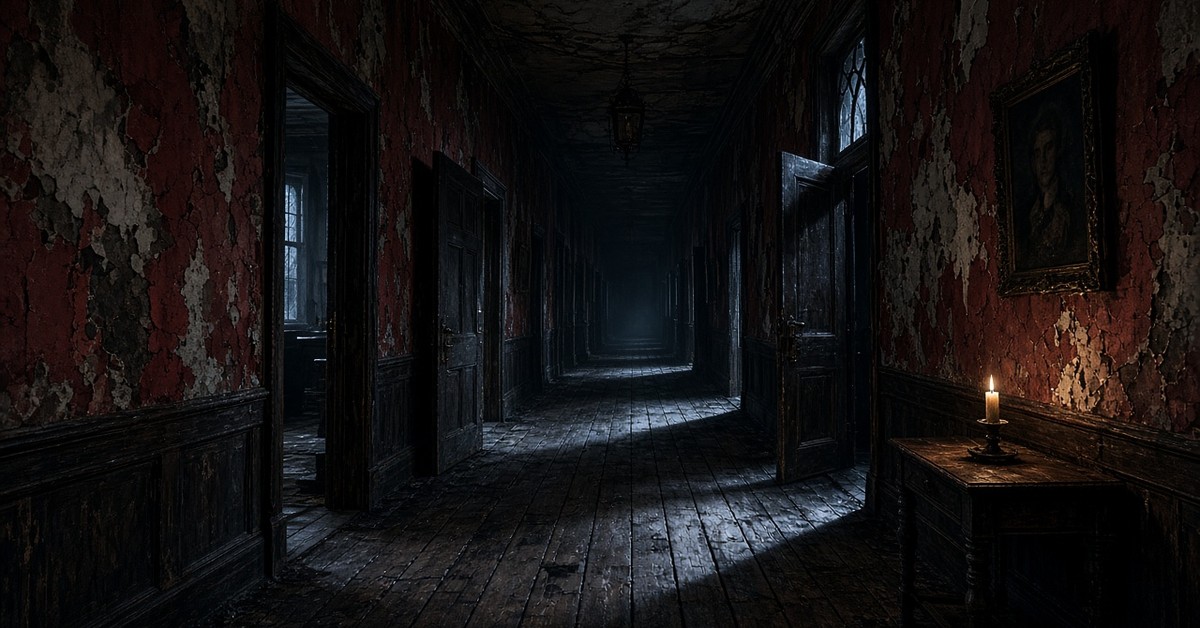
    Some stories are set in a house. Others are about a house, and the difference shows within a few pages. In the first kind, the walls are scenery. In the second, the walls are listening. The house has moods, a history, and something close to a will. The characters move through it the way they would move through the presence of another person, careful of its temper, uncertain of its intentions.

    The haunted house is one of the oldest shapes in the literature of fear, and it remains one of the most powerful. This piece looks at why, and at what separates a house that merely contains ghosts from a house that is itself the haunting.

    A house that was born bad

    Shirley Jackson opened The Haunting of Hill House by describing the house as not sane. That idea, that a building might be wrong in its very construction, has shaped the genre ever since. Hill House is full of angles that do not quite meet, doors that swing shut on their own, and rooms that are colder than they should be. No single ghost explains it. The house is the problem.

    This approach is frightening because it removes the comfort of a story with a cause. If a spirit is haunting a house because of a murder, then the murder can be uncovered, the spirit laid to rest, and order restored. If the house itself is malign, there is nothing to solve. There is only the question of whether one can leave, and whether the house will allow it.

    Memory in the walls

    Many haunted houses carry the past the way a body carries scars. Something happened there. A family died, a crime went unpunished, or a grief was never spoken. The house holds the event and replays it in cold spots, footsteps, and voices at the edge of hearing.

    There is a long tradition of this idea outside fiction as well. Folk belief in many places holds that strong emotion can soak into a place, and that a room where terrible things occurred never fully recovers. Whether or not one believes it, most people have walked into a building and felt that something was off. The haunted house story takes that feeling and builds a world around it.

    In this kind of story, exploring the house means reading its history. A locked nursery, a portrait turned to the wall, and a staircase no one uses all become clues. The ghost is less a monster than a record. Understanding it means understanding what the living did.

    The house and the person inside it

    The haunted house stories that last longest bind the house to the mind of a single character. In The Haunting of Hill House, the house seems to call to Eleanor, who has spent her life caring for others and has never had a home of her own. The house offers her belonging, and the offer is the most dangerous thing in the book.

    Henry James did something similar in The Turn of the Screw, where the governess’s account of the ghosts at Bly is so entangled with her own isolation and fervor that readers still argue over whether the ghosts exist at all. The house becomes a mirror. What the character sees in it reflects what the character carries.

    This is why haunted house stories work so well alongside romance. A house can stand in for longing, for loneliness, and for the fear of being wanted too much. When a character is drawn to a house, and to someone connected with it, the two attractions blur together. The reader begins to wonder whether the love is genuine or another of the house’s lures.

    Isolation as architecture

    A haunted house is almost always cut off. It sits at the end of a long road, on a moor, on an island, or behind a gate that sticks. The nearest village is unfriendly. The telephone does not work, or there is no telephone. When night falls, there is nowhere else to go.

    This isolation does a great deal of work. It removes help, witnesses, and the possibility of escape. It also forces the characters into close quarters with each other and with whatever shares the house. Small tensions grow large. Secrets become impossible to keep. The house becomes the whole world, and its rules are the only rules that apply.

    The same pressure intensifies any romance inside it. Two people trapped together in a frightening place have nowhere to hide from each other. Fear strips away pretense. What they feel for one another surfaces faster and with more force than it would in daylight.

    Why we keep going in

    The natural question about any haunted house story is why the characters do not leave. The best stories answer it honestly. Sometimes they cannot afford to. Sometimes they have nowhere else to go. Sometimes they have inherited the house and the obligations that come with it. Often, and most disturbingly, they do not want to leave, because the house is offering something they have been denied everywhere else.

    That answer applies to readers as well. We enter haunted houses on the page because they let us confront fears that are hard to face directly: fear of the past, fear of being trapped, and fear that the places meant to shelter us might harm us. A house is supposed to be the safest place a person can be. The haunted house story turns that promise inside out, and the shock of it never entirely fades.

    Beyond the mansion

    The haunted house need not be a Victorian mansion. Writers have found the same power in farmhouses, apartment blocks, hotels, ships, and schools. A hotel closed for the winter, a city flat where the neighbors are too attentive, and a remote cabin with a history no one mentions all follow the same logic. A place that should offer shelter instead holds something that wants the people inside.

    What matters is that the setting has weight. It needs a history, a shape, and a presence that the reader can feel. The rooms should be specific. The silences should mean something. When a writer achieves that, the house becomes as memorable as any character, and sometimes more.

    Reading with the lights low

    If you love haunted settings, read slowly. These stories reward attention to detail: the way a corridor is described the first time and how it changes the second, the room that is mentioned once and then avoided, and the sound that recurs at the same hour. The house is telling you things. The pleasure lies in noticing them before the characters do.

    When you finish, sit for a moment in your own home and listening. Most houses make small sounds at night. Most of those sounds mean nothing. The haunted house story leaves us with the thought that one of them might.

  • What Makes Fantasy Dark

    What Makes Fantasy Dark

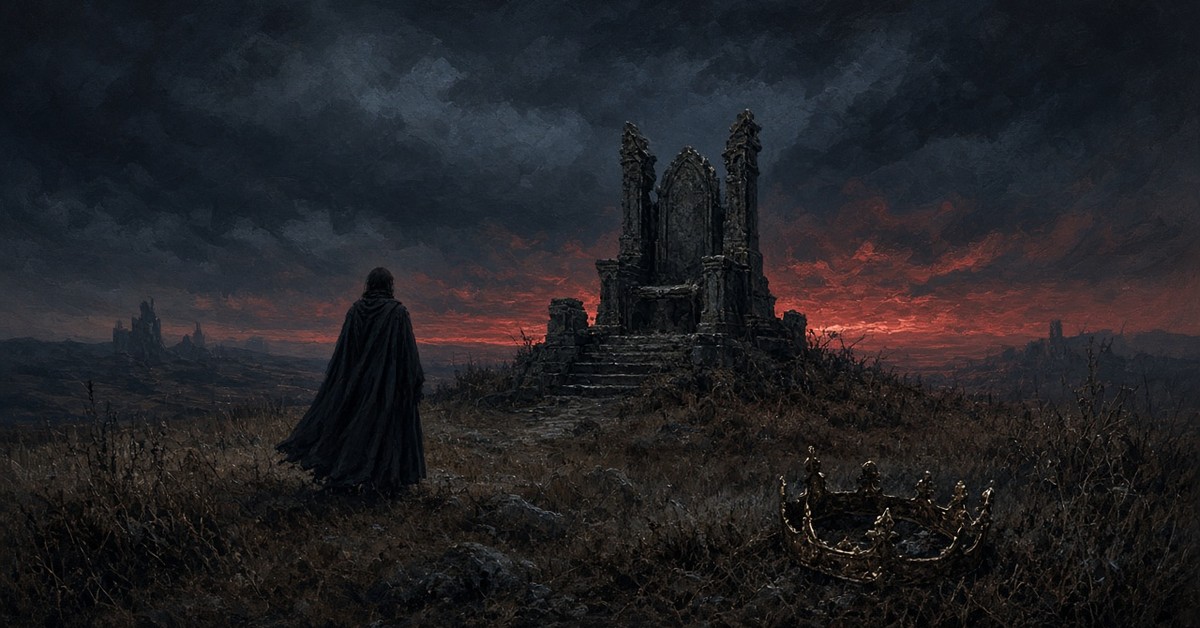
    Every fantasy novel has darkness in it. There is a dark lord, a blighted land, or an army massing at the border. Yet readers know there is a difference between a story that contains darkness and a story that is dark. The first sends its heroes into shadow and brings them out again. The second asks whether anyone comes out at all, and what they are when they do.

    Dark fantasy is a slippery label. Booksellers use it for grim political epics, for horror set in invented kingdoms, and for fairy tales told without the softening. What these books share is harder to pin down than a setting or a creature. It is a stance toward the world, and toward the reader.

    The world does not bend toward justice

    In much traditional fantasy, the universe has a moral shape. Good is rewarded, eventually. Evil carries the seeds of its own defeat. The prophecy will be fulfilled, and the rightful heir will take the throne.

    Dark fantasy removes that guarantee. The gods, if they exist, may be indifferent or hostile. Prophecies may be lies, or true in ways that ruin the people who believe them. The rightful heir may be worse than the usurper. Characters act without any assurance that the world will honor their sacrifices.

    This changes how every choice feels. When there is no promise that virtue will win, virtue becomes a decision a person makes again and again at real cost. A knight who keeps an oath in a world that punishes oath keepers is more moving than one who keeps it because the story has assured us it will pay off.

    Magic that takes something back

    In a dark fantasy, magic is rarely free. It is drawn from blood, from years of a life, from memory, or from the souls of others. Sorcerers grow hollow. Witches pay with their names. The spell works, and the person who cast it is diminished.

    This is one of the clearest markers of the genre. Magic stops being a tool and becomes a temptation. Every use of it raises the question of what will be lost, and whether the caster is still choosing freely or has begun to be consumed. Readers feel the weight of each spell because each one has a price they can see.

    There is an old root to this. Folklore across Europe is full of warnings about power gained through forbidden means. The cunning man who deals with spirits, the scholar who reads the wrong book, and the miller’s daughter who promises her firstborn all learn that power obtained without honest labor carries a hidden debt. Dark fantasy takes those warnings seriously.

    The fairy tale with its teeth intact

    Many readers first meet dark fantasy without knowing it, in the older versions of familiar fairy tales. The tales collected by the Brothers Grimm in the early nineteenth century include mutilation, cannibalism, and punishments that are far from gentle. Earlier tellings of Sleeping Beauty and Little Red Riding Hood are crueler still. These stories were not made for comfort. They were warnings about real dangers: hunger, predatory strangers, and families that turn on their own children.

    Dark fantasy often returns to that source. It treats the forest as a place where people genuinely die. It remembers that wolves, witches, and enchanted bargains were metaphors for things that frightened ordinary people with good reason. When a modern dark fantasy draws on fairy tales, it usually restores the danger that later retellings removed.

    Heroes who are compromised

    The protagonists of dark fantasy are frequently damaged, guilty, or morally uncertain. A mercenary who has done terrible things, a necromancer who loves her family, and a soldier who follows orders he knows are wrong are all familiar figures. The genre is interested in what people become under pressure, and pressure rarely produces saints.

    This does not mean dark fantasy is nihilistic. The best of it cares intensely about goodness. It refuses to make goodness easy. A compromised character who reaches for decency in a world that has given them every reason to abandon it can carry more moral force than any shining paladin.

    For readers who love romance, this is fertile ground. Love between people who have done harm, who expect to be judged, and who do not believe they deserve tenderness has a gravity that lighter stories cannot match. The question is never only whether two people will come together. It is whether they can bear to be known.

    Horror in the bones

    Dark fantasy shares a border with horror, and the border is often unguarded. Monsters in dark fantasy are not obstacles to be defeated in a set piece. They are wrong in a way that disturbs the order of the world. The dead may not stay dead. Something may live beneath the city that the city was built to contain. A plague may be a punishment, or a hunger with a mind.

    What separates dark fantasy from straight horror is usually scale and structure. Dark fantasy builds a world with history, politics, and geography, and then lets horror move through it. The reader is invested in kingdoms as well as characters, and the dread extends to the fate of entire peoples.

    Why readers choose the dark

    It is fair to ask why anyone would choose stories like these. The answer, I think, is that dark fantasy tells a certain kind of truth. Many readers know from experience that the world does not always reward the good, that power often corrupts, and that survival can require terrible compromises. Stories that pretend otherwise can feel thin to them.

    Dark fantasy also offers something that brighter stories cannot. When hope appears in a dark world, it is precious because it is rare. A single act of mercy, a promise kept, or a love that persists through ruin means more against a black background. The genre does not deny light. It insists that light be paid for.

    There is also the plain pleasure of atmosphere. Ruined cathedrals, plague towns, haunted battlefields, and forests where the paths shift are among the most evocative settings fiction has to offer. Readers who seek them out are not looking for despair. They are looking for intensity, and for stories that take fear, loss, and moral struggle as seriously as they deserve to be taken.

    Where to begin

    Readers coming to the genre might begin with the fairy tales themselves, read in collections that keep the older versions intact. From there, the classic sword and sorcery of the early twentieth century, the grim epics of recent decades, and the horror-inflected fantasies that blur the line between genres all offer different shades of the same darkness.

    Pay attention to what holds you. Some readers love the moral struggle. Others love the creeping dread, or the beauty of a ruined world. Dark fantasy is wide enough for all of them. What it asks in return is a willingness to follow a story into places where nothing is certain, and to accept that some doors, once opened, cannot be closed.

  • Why Gothic Romance Still Haunts Readers

    Why Gothic Romance Still Haunts Readers

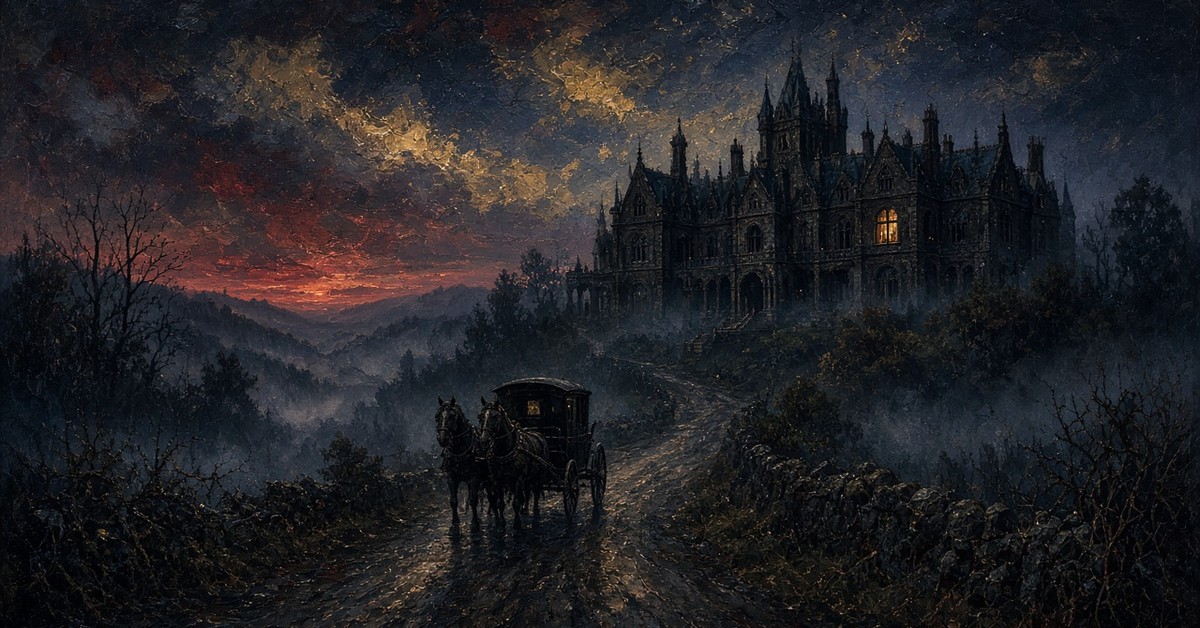
    There is a particular kind of book that begins with a journey toward a house. A young woman arrives by carriage, or train, or a car that labors up a long drive, and the house is waiting for her. It is too large. Some wings are closed. The staff are polite in a way that tells her nothing. Somewhere inside lives a man whose history no one will explain, and the reader knows before the second chapter ends that the house and the man share a secret.

    That is the gothic romance, and it has been with us for more than two centuries. It began in the eighteenth century, when Horace Walpole published The Castle of Otranto and Ann Radcliffe filled her novels with ruined abbeys, locked rooms, and heroines who walked through dark corridors holding a single candle. It came of age with Jane Eyre and Wuthering Heights. It was reborn in the twentieth century with Rebecca and with the paperback gothics whose covers showed a woman in a nightgown fleeing a mansion with one window lit. It has never gone away.

    I want to ask why. What does this form give readers that so few others do?

    The house is a mind

    In a gothic romance, the setting is never only a setting. The house is a record of what has happened inside it. Its closed rooms are the things no one will speak of. Its portraits are the dead who still hold authority over the living. When the heroine explores the house, she is also exploring a family’s buried history, and very often the history of the man she is beginning to love.

    This is why the genre feels so complete. The physical act of opening a door carries emotional weight. A staircase that leads to a sealed tower is also a question the heroine is not yet ready to ask. Readers feel this even when they could not name it. The architecture does the work that pages of explanation could never do.

    It also explains why so many gothic novels end with fire. When the secret is finally exposed, the house that held it cannot stand. Thornfield burns. Manderley burns. Something has to be destroyed before anyone can live honestly.

    Love under suspicion

    Most romance asks whether two people will come together. Gothic romance asks a harder question: should she trust him at all?

    The gothic hero is often brooding, withdrawn, and capable of cruelty. He may be grieving. He may be guilty. The heroine cannot tell which, and neither can the reader. That uncertainty is the engine of the story. Every tender moment is shadowed by the possibility that she is being deceived, and every frightening moment is complicated by the fact that she still wants him.

    This is uncomfortable, and it is meant to be. The gothic romance understands that desire can coexist with doubt. It does not pretend that love makes a person safe. Instead it puts the heroine in a position where she must use her own judgment, gather her own evidence, and decide for herself what is true. In the best examples, the romance is earned only after she has seen everything, including the worst.

    A heroine who investigates

    People sometimes picture the gothic heroine as a fainting figure, swept along by events. The books themselves rarely support that picture. Radcliffe’s heroines are frightened, but they keep walking down the corridor. Jane Eyre refuses a marriage that would cost her conscience and leaves with almost nothing. The narrator of Rebecca begins timid and ends holding knowledge that changes everything.

    The gothic heroine is a detective without a badge. She notices the servant who goes quiet, the room that is always locked, and the name no one will say. She pieces together what happened before she arrived. Much of the pleasure of the genre lies in watching her grow from someone who is acted upon into someone who acts.

    For many readers, that arc matters as much as the romance. She learns that her fear was often a form of perception. The house really was wrong. Her instincts were right.

    Why the past will not stay buried

    The gothic is obsessed with inheritance. Old crimes, old debts, and old marriages press on the present. A first wife lingers in every room. A family curse passes from father to son. A will contains a clause that binds the living to the wishes of the dead.

    This preoccupation gives the genre its gravity. The characters are not free to begin again, because the past has claims on them. Romance in this setting is never simple attraction. It is an attempt to build something new in a place built by other people for other purposes, and that attempt requires facing what came before.

    Readers recognize this. Most of us carry family histories we did not choose. Most of us live in houses, towns, and countries shaped by events that happened long before we were born. The gothic gives that weight a physical form and then asks whether love can survive it.

    The pleasure of dread

    There is also a simpler answer to why gothic romance lasts. Dread is enjoyable when it is held inside a story. The slow accumulation of wrongness, the wind against the windows, and the candle that gutters at the wrong moment produce a tension that is very different from the sharp shock of a slasher film. It is patient. It builds over hundreds of pages.

    That patience suits romance. Attraction in a gothic novel grows in the same atmosphere as fear. Both are made of heightened awareness, of noticing every sound and every glance. By the time the secrets come out, the reader has been living in that heightened state for a long while, and the release is all the stronger for it.

    Reading the gothic today

    The modern gothic romance keeps the old furniture and changes the people who move through it. Contemporary writers have brought the form to new places and new perspectives, set it in colonial estates and decaying modern cities, and let heroines confront the systems that built the great houses in the first place. The core remains. There is still a house with a secret, a love that cannot be trusted at first, and a woman who refuses to stop asking questions.

    If you are new to the gothic, the classics remain the best door in. Read Jane Eyre for its moral seriousness, Wuthering Heights for its wildness, and Rebecca for the way a dead woman can fill every page. Then look for the newer writers who have taken those keys and opened other doors.

    What all of these books share is a belief that love and fear are close neighbors, and that the most frightening room in any house is the one where the truth is kept. Gothic romance asks its readers to walk toward that room anyway. Two hundred years on, we are still accepting the invitation.